
Dashboard › Channels › Ask & Share › Belgian Malinois
Tagged: DPH, Enrichment, exercise, Malinois, training
-
Belgian Malinois
Posted by Jake Ufkin on December 3, 2025 at 7:17 amDoes anyone have any additional tips for helping a 6-month-old Belgian Malinois burn off his energy?
When I get home from work, I take him and my other dog, Willett, to the pond where they run and play for about an hour. After that, we come home and they continue to wrestle and play in the living room. When my wife gets home, she takes him for a walk. Later, I bring him outside again for tug and flirt-pole sessions, although his attention span is still pretty short.
We also work on sit, down, place, and leave-it multiple times a day in short sessions. Inside the house we play hide-and-seek, and outside I hide treats in the yard so he can use his nose. Now that it’s winter in Minnesota, it’s getting harder to find new ways to keep him busy.
I’ve heard all the stories about Malinois and even warned my wife about their energy level—but she didn’t listen and adopted him anyway, ha! You really don’t appreciate the drive these dogs have until you actually live with one!
Catherine Comden replied 8 months, 2 weeks ago 4 Members · 14 Replies -
14 Replies
-

Hi Jake,
Ah, Mals! ???? The original canine energizer bunny. It sounds like you are doing all you can physically for this pup. The tricky part about physical enrichment is that the dogs build ENDURANCE, the more we give them, and an adolescent Malinois is no exception. I’m not saying stop what you are doing, quite the opposite. But you may want to start training for your 100-mile run, to keep up with him these next few years. ????
Seriously though, since these dogs are supremely intelligent and bred to work a 20 hour day, you’ll want to work in as many mental and learning challenges as possible too. Definitely no food from a bowl, meaning he performs behavior for every bite, rather than just eating meals. This is where positive reinforcement based learning, especially shaping games, can really shine.
Teach him as many games as possible. Teach him the names of every object and toy in your home and have him interact with them (Have you read the book, Chaser? – check out youtube videos for Chaser and Dr John Pilley.)
Depending on the dog’s frustration tolerance, you might find games like 101 Things to Do With a Box to be a lot of fun. If he is easily frustrated, you’ll want to ensure lots of micro-shaping (quick intervals, easy wins) keeps him regulated.
Check out our Enrichment channel for loads of other ideas too. By the way, we’d love a photo and to learn his name!
-
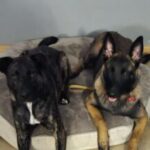
One on the left is willett. He is part german shepherd/pitbull and right is Blantons he is 100% nuclear bomb Belgian Malinois.

-
Ah, they are both beautiful, but Blantons is STUNNING!
After I replied earlier, I also thought more about balance… teaching Blantons to chillax is also important. Shaping relaxation and slow breathing is something you can do as well. Marking moments of head down, long sighs, eyes softening… that sort of thing. Have you given that any thought?
-
-
I rewards moments when he is chill all the time. Currently working on being calm in his crate which isnt the easiest as he easily gets frustrated.
-
@Jakeufkin1 awesome! That’s so important.
You might try splitting the activity (slow breathing) from the frustration inducing context (the crate) by working on slow breathing outside the crate. It’s more than a settle-on-a-mat behavior. I found this protocol which shows some steps, and you can check the primary source in Leslie McDevitt’s Control Unleashed program or search for Karen Overall’s protocol: https://veterinarypartner.vin.com/default.aspx?pid=19239&catId=254078&id=12653259
-
-
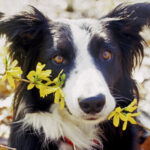
@Jakeufkin1 , your dogs are gorgeous!
Catherine provided some great advice. Just wanted to add, in case you don’t already know of this: there are bungee tugs designed to be hung from sturdy tree limbs, as well as tugs that have a pole you anchor in the ground (in non-frozen weather!). It’d have to be very sturdy for a strong mal, but I think some of them are. (I had a border collie once who loved to jump up to thick, dangling grape vines and just swing there. Wierdo!)
You could also dangle food puzzles from above — reachable with precise hanging placement, but due to the movement/swing, an added challenge to empty. If the ‘holder’ contains dry treats, repeated bumps by the dog dislodge the goodies over time.Maybe try treats hidden and/or rolled in layers of old towels/rags in a laundry basket?
Tether ball poles may also appeal to both dogs.
And lots of nose/sniffing to find any hidden stuff that appeals to the dog.
-
Ah! those bungee things! We had one and it was essential for surviving bitey puppies. Mama Bliss taught her puppies to focus on it, not her, when they were getting to that annoying bitey stage. Great idea, Virginia.
-
-
I installed a tug on our swing set. He wasn’t to interested quite yet. Once spring rolls around or nice weather ill try again.
-
Great plan, Jake, teething could have impacted his interest there… those toofies coming in can make a mouth sore. Keep up the great work, and let us know how things progress. We’re here for you.
-
-
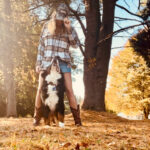
I love everything Catherine and Virginia said so far!! I think scent work is amazing as well. They have many videos on how to start. Not just hiding treats- but an actual scent. My berner and I started with a certain tea in a bag. Eventually hiding the object in the house and they have to find it. I think your dog would love that!
Love the tug in the tree idea!
-
@pawsup YESSSS!!! Great suggestion. And what fun, that you use a certain tea as the article to find.
@Jakeufkin1 – you can build on this and teach him to find your phone, glasses, keys, wallet, etc… Bonus: it’s very useful!
I used to train service dogs to find those items by name, and discriminate between them when all were available. It was so much fun to hide the items in a big room and watch the dogs search. Indoor air moves a lot differently than outdoor air, and it’s fascinating to watch them puzzle it out.
I taught my current dogs to find and pick up and deliver trash to my trash bag when we are out on walks. On cue they’ll pick up anything man made, unless I ask them not to (in the case of sharp old cans for example), but they still indicate it so I can pick it up. Keeps us busy on off lead adventures, and they work close because I have the best snacks. And if they find a plastic water bottle it becomes a fetch reward.
-
Here’s a link talking more about our trashy adventures. ???? And a video of one pick up.
-
-
-
Thats a great idea! How should I start him on this adventure? Tips and tricks for training this?
Log in to reply.